
Move the Office Without Losing Monday
Every hour the office is down is an hour nobody's working. Hire experienced commercial movers who work nights and weekends, disassemble cubicles, and know how to move IT equipment without stripping cables in the parking lot.
Here's what usually goes wrong — and how this works instead
- Weekend and overnight crews available
- Movers with commercial and IT-equipment experience
- COI and building-hours coordination handled up front
- Labeled workstation moves — desks reassembled in place
- Commercial move history shown on every profile
- Verified equipment for electronics and file-cabinet handling
- Background checks and insurance required for office jobs
What is office & commercial moving labor?
Office and commercial moving labor covers business relocations — desks, cubicles, filing cabinets, conference furniture, and light IT equipment. Usually scheduled after-hours or over a weekend to avoid business disruption.
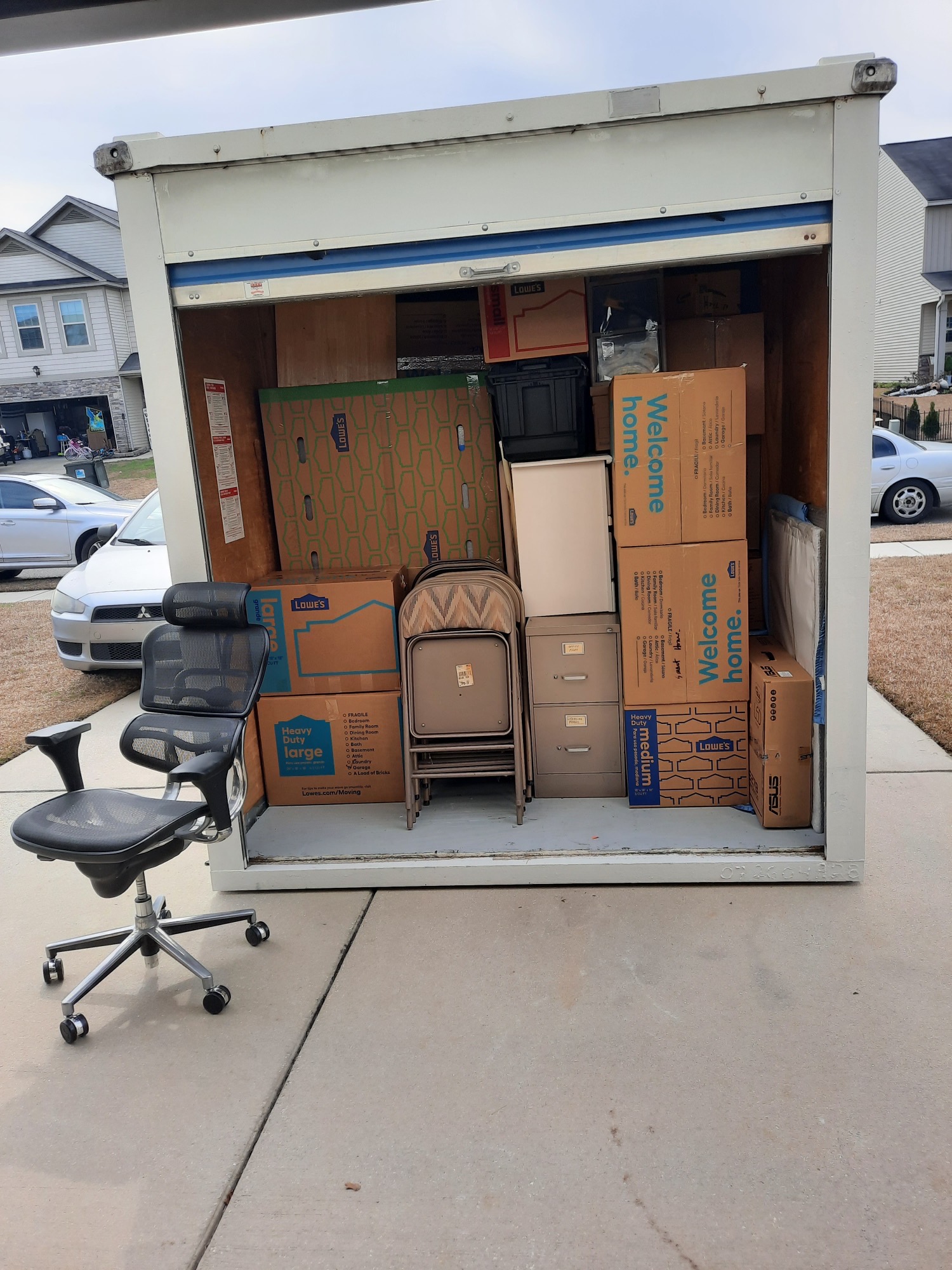
Who needs this service
When to book this service
- You need the move done overnight or on a weekend
- You have cubicles that need disassembly and reassembly
- You have file cabinets that shouldn't be tipped when full
- You want IT gear moved carefully but not by a full IT relocator
What you get
Common mistakes to avoid
What to look for in a mover
- Reviews mentioning commercial or office moves specifically
- Movers willing to work nights and weekends
- Cubicle disassembly and reassembly experience
- Certificate of insurance for the destination building
Recommended crew size
Small office (under 10 desks): 3 movers, 6 hours. Mid-size office (10–30 desks): 4–5 movers, one full evening. Larger offices usually need a phased two-night plan.
Equipment used on this job
Why experience matters
Office moves are logistics as much as labor. Experienced commercial movers photograph the current layout, label everything to match the new floor plan, and reassemble so employees walk in Monday to a functional desk — not a pile of parts.
Office moves run on a tighter clock than home moves
Every hour the office is unusable is an hour of lost work. That is why commercial moves usually happen after hours or over a weekend, and why they need a crew that can work fast without improvising. The job is not just muscle; it is logistics — labeling stations, mapping the new floor plan, and reassembling cubicles so employees walk in Monday to a functional desk.
The most expensive mistake in an office move is poor labeling. A desk that lands in the wrong spot means an employee spends half a Monday moving their own stuff. Photograph the current layout, label every panel and drawer to match the new floor plan, and the reassembly becomes a paint-by-numbers exercise instead of a guessing game.
Crew size and timing for office moves
| Office size | Crew size | Typical hours |
|---|---|---|
| Small office (under 10 desks) | 3 movers | 4–6 hours |
| Mid-size office (10–25 desks) | 4–5 movers | 1 evening |
| Large office (25–50 desks) | 5–6 movers | 2 evenings or 1 weekend day |
| Retail / stockroom | 2–4 movers | 3–5 hours |
- Schedule the move during the building's approved after-hours window
- Confirm freight elevator access and loading dock hours in writing
- Ask whether a certificate of insurance is required and who it must name
- Empty file cabinets or use lock bars; full cabinets are unsafe to tip
What the crew handles and what it does not
Moving crews handle desks, chairs, filing cabinets, conference tables, cubicle panels, and basic IT equipment like monitors and desktops. They do not handle live servers, networking racks, security systems, or proprietary IT infrastructure unless specifically arranged. For those items, use a dedicated IT relocator and coordinate timing with the moving crew.
Cables are the detail that kills Monday morning. Bag cables by workstation, label the bag with the desk number, and tape it to the underside of the desk or to the monitor stand. A box of random cables is a half-day productivity loss.
An itemized example: small office move
A 12-desk office moving to a new suite in the same building, with cubicle disassembly and reassembly. You book four movers at the $55/hr Protected rate for five hours.
Labor is 4 movers x 5 hours x $55 = $1,100. Fuel reimbursement is minimal because the move is in-building. The booking fee is $49. Total labor cost is $1,149. Compare that to the cost of one lost workday across twelve employees.
Moving help matched to your needs
Post your office move and specify the hours, including nights or weekends. We use those details to match qualified commercial help.