
Move the Couch Once. Do It Right.
Sectionals, sleeper sofas, armoires, king mattresses, dining tables — the pieces that require two people and often disassembly. Hire experienced movers who lift with their legs, wrap corners, and know how to get a wide sofa through a narrow doorway.
Here's what usually goes wrong — and how this works instead
- Book two movers for a two-hour minimum — no full-day rates
- Assembly and disassembly included when needed
- Filter for specialists in specific item types
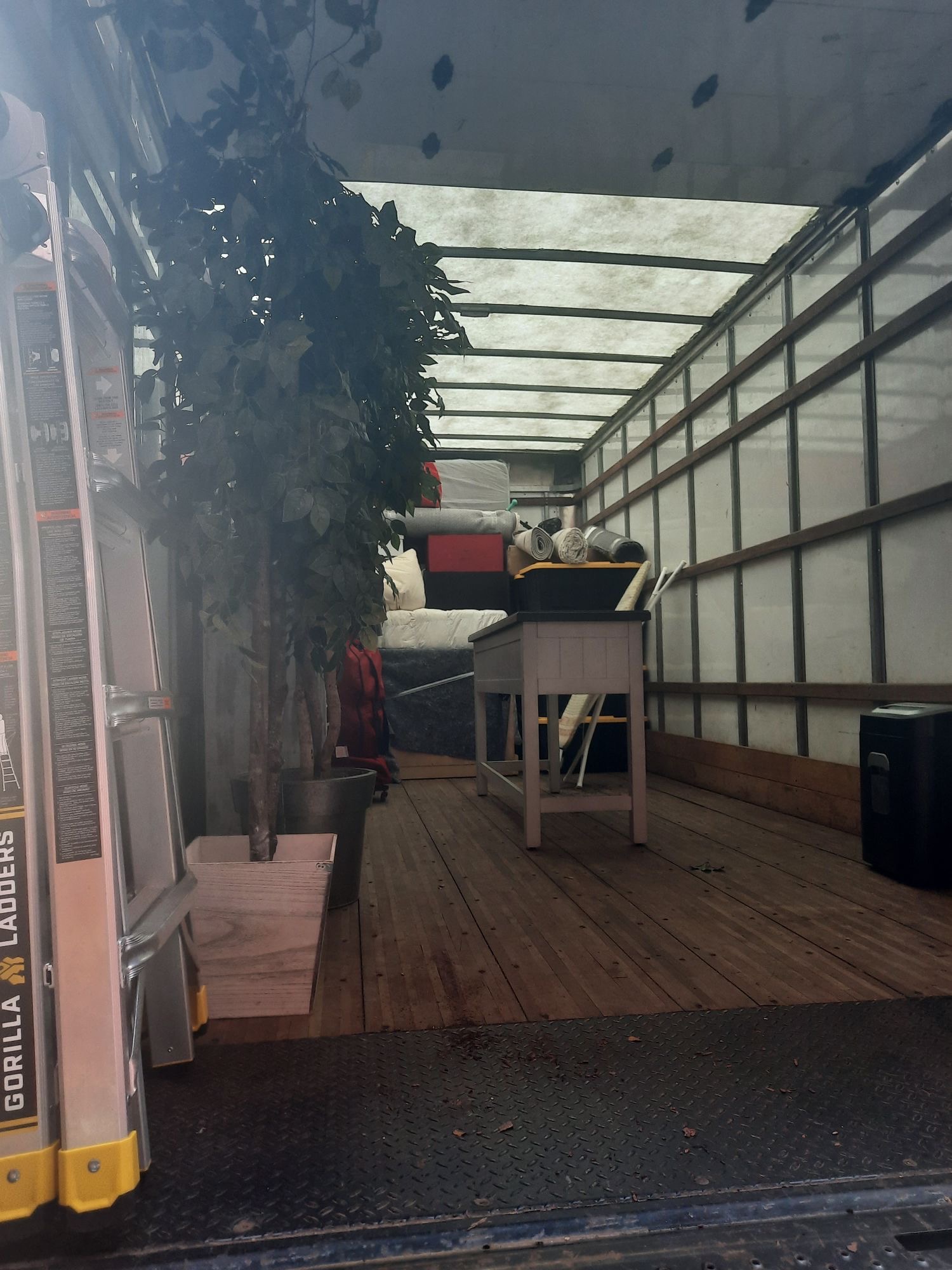
- Load into your car, rental truck, or the mover's own vehicle
- Furniture damage history tracked on every profile
- Verified equipment for straps, pads, and dollies
- Reviews only from customers who completed the pickup
What is furniture moving labor?
Furniture moving labor is work for moving specific pieces of furniture — inside a home, between homes, or in and out of storage. Common for room rearrangements, single-item deliveries, and small partial moves.
Who needs this service
When to book this service
- The piece is too heavy or awkward for one person
- You need it disassembled and reassembled in the new spot
- You have stairs, tight hallways, or narrow doorways
- You want it wrapped so it doesn't get scratched in transit
What you get
Common mistakes to avoid
What to look for in a mover
- Movers with furniture handling in their skills list
- Reviews mentioning careful lifts and no wall damage
- Willingness to bring basic tools and blankets
- A Quality Score that reflects damage-free moves
Recommended crew size
Two movers for most single pieces. Three for pianos, safes, or oversized sectionals that require lifting from multiple angles.
Equipment used on this job
Why experience matters
Furniture damage happens in the last three feet — through the doorway, around the corner. Experienced movers know when to tip, pivot, and disassemble instead of forcing a piece through a spot it wasn't meant to go.
Why furniture breaks and how crews prevent it
Furniture damage almost always comes from one of four causes: dragging instead of lifting, forcing a piece through a doorway at the wrong angle, stacking something heavy on a surface that was never designed to carry weight, or transporting a piece with hardware still under tension.
Experienced movers solve all four with the same habits. Everything gets blanket-wrapped and shrink-wrapped before it leaves the room. Sofas and mattresses go through doorways on the diagonal, hooked around the frame rather than pushed. Glass and stone tops travel standing on edge, never flat. Beds, sectionals, and dining tables get disassembled with the hardware bagged and taped to the underside of the piece it belongs to.
Solid wood antiques get one more step: they are wrapped in a moving pad first, then plastic, never plastic directly against a finish, because trapped moisture will haze old lacquer in a single humid afternoon.
What a furniture-only job usually looks like
| Job | Crew size | Typical hours |
|---|---|---|
| Single heavy piece within one home | 2 movers | 2 hours (minimum) |
| Furniture delivery pickup and placement | 2 movers | 2–3 hours |
| Whole-room rearrange or staging | 2–3 movers | 2–4 hours |
| Furniture-only move between homes | 3 movers | 3–5 hours |
- Every booking has a two-hour minimum per mover — a single-item job still books two hours
- Measure doorways, stair turns, and elevator depth before booking, and include the numbers when you post
- Say up front if a piece needs disassembly; it changes both crew size and time
Pieces that need a specialty rate
Most furniture is handled at the standard $35 or $45 Move Board rates. Certain items call for the $55 or $75 specialty tiers because they need specific equipment and experience: pianos, gun safes, pool tables, marble and stone tops, large aquariums, commercial appliances, and antiques with structural fragility.
Booking the specialty tier is not an upsell. It is how you get movers who own piano boards, four-wheel dollies, and stair-climbing equipment, and who have completed moves with those items before.
Measuring before you book
The single most common reason a furniture job goes wrong is a piece that will not make a turn. Measure three things before you post the move: the narrowest doorway on the route, the width and turn radius of any staircase, and the depth of the elevator if there is one. Then measure the piece at its widest and deepest points, including feet and hardware.
If the piece is within two inches of the tightest point, say so when you post. Movers can remove doors from hinges, take feet and legs off, and pivot a sofa through a doorway on the diagonal, but they need to know in advance so the right tools are in the truck.
For sectionals, check whether the piece separates before assuming it does. Some modern sectionals are single-frame builds that will not come apart, and those occasionally need to go through a balcony or a window with additional crew.
Protecting finishes and floors
- Blanket first, plastic second — plastic against a finish traps moisture and hazes lacquer
- Glass and stone tops travel standing on edge, never flat
- Hardware bagged and taped to the underside of the piece it belongs to
- Floor runners on hardwood and tile, felt pads under anything being repositioned
- Leather and light upholstery covered before it passes through a doorway
- Antiques and heirlooms flagged when you post so the right crew applies
Moving help matched to your needs
For a specific heavy piece, post the job and note the experience and equipment required. For a room rearrangement or delivery, post it at the rate that matches the work.