
Loading a Truck Is a Skill. Hire Someone Who Has It.
You rented the truck. Now you need people who can actually load it — tight, balanced, and without dinging the drywall on the way out. Tell us about your move, see your price, and book your help for $49.
Here's what usually goes wrong — and how this works instead
- Filter for movers who specialize in truck, POD, and trailer loading
- See how many trucks each mover has actually loaded
- Pick a crew size that matches your inventory, not a guess
- Confirm equipment (dollies, straps, pads) before you book
- Loading experience shown in years and completed jobs, not a bio blurb
- Verified equipment listed on every profile
- Reviews come only from customers who booked through the platform
What is loading labor?
Loading help is exactly what it sounds like: you provide the truck, the movers provide the labor and technique to load it. Common on self-service moves where the customer drives their own U-Haul, Penske, Budget, POD, or trailer.
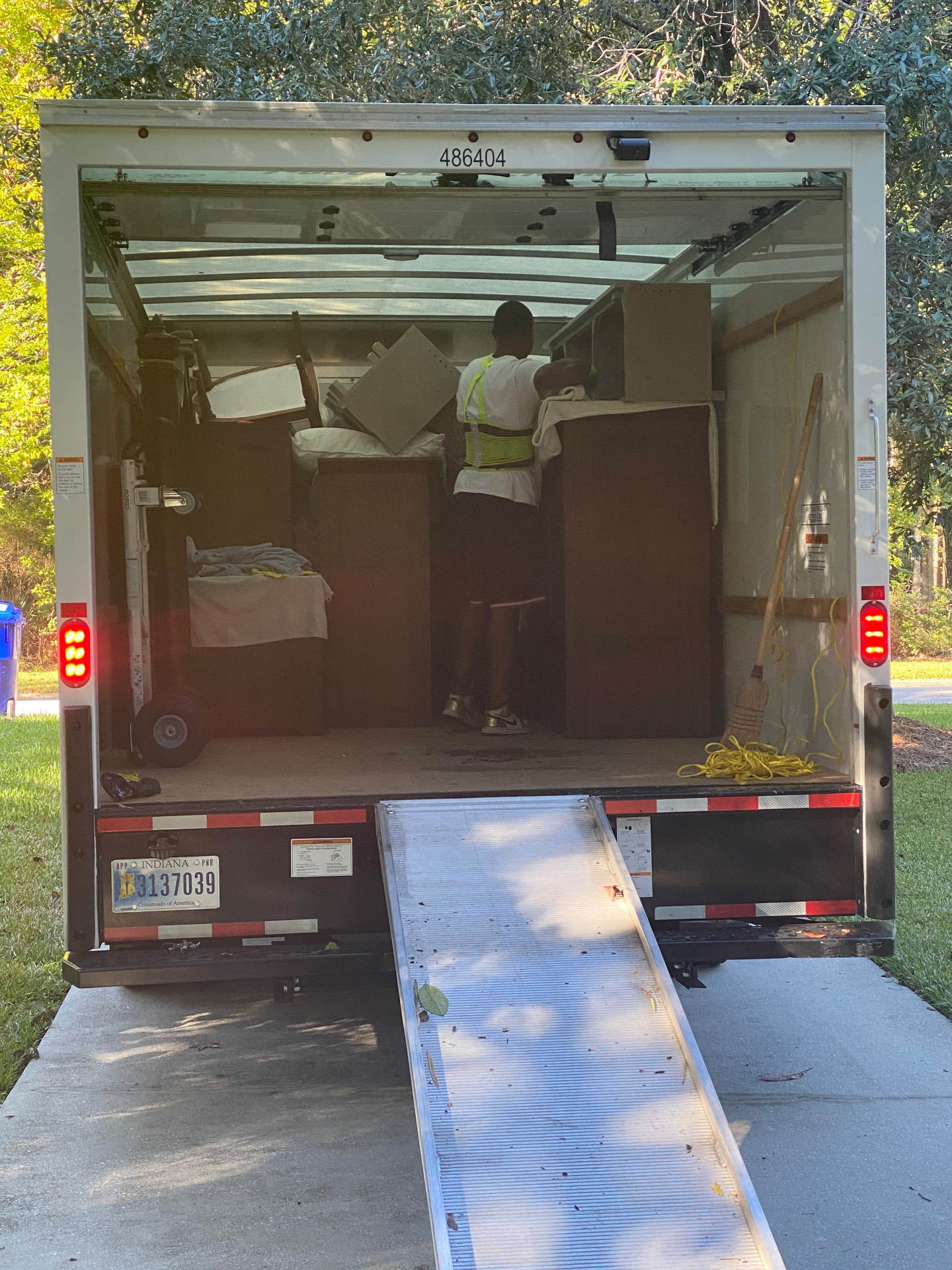
Who needs this service
When to book this service
- The truck is at your driveway and you need it loaded in one day
- You're loading heavy items that need more than one person
- You have stairs, tight hallways, or a long carry to the truck
- You want a load that won't shift during the drive
What you get
Common mistakes to avoid
What to look for in a mover
- Reviews that mention tight loads, no damage, and no second trips
- Movers who bring straps and blankets, not just muscle
- Photos of past loads if the mover has them in their profile
- A Quality Score that reflects damage-free completed moves
Recommended crew size
Two movers for a studio or one-bedroom worth of items. Three for a two-bedroom. Four movers for anything larger, or when you have a tight window and need the truck loaded in a single half-day block.
Equipment used on this job
Why experience matters
There's a right order: heaviest and squarest items against the front wall, boxes stacked heaviest on the bottom, upholstery on top with padding, and everything strapped every four feet. An experienced loader builds it in layers. An inexperienced one just fills the space.
Loading is a skill, not a favor
Anyone can put boxes in a truck. Loading well means the truck holds everything in one trip and nothing shifts on the highway. Experienced loaders build in tiers: heavy, square, uniform pieces on the floor from the front wall back; mid-weight furniture next, standing on end and strapped to the rails; boxes tetrised into the gaps; soft goods, mattresses, and lamps on top and along the sides as padding.
The tell of a bad load is empty air. Every void is space for a dresser to tip into and a mirror to crack against. A good crew fills voids with pillows, blankets, and bagged linens, and ties off every four to six feet with the truck's built-in strap rails.
This is also why loading labor pays for itself on long hauls. A load that fits in a 20-foot truck instead of spilling into a second trip saves you a rental day, a tank of fuel, and three hours of driving.
Crew size and hours for loading only
Loading-only jobs move faster than full moves because there is no unload and no drive. Most run between two and five hours.
| Truck / container | Crew size | Typical hours |
|---|---|---|
| 10–12 ft truck or 8 ft container | 2 movers | 1.5–2.5 hours |
| 15–17 ft truck or 12 ft container | 2–3 movers | 2–3.5 hours |
| 20 ft truck or 16 ft container | 3 movers | 3–4.5 hours |
| 26 ft truck or two containers | 3–4 movers | 4–6 hours |
What to have ready before the crew arrives
- The truck or container already on site, opened, and with the ramp down
- Every box taped and closed — open boxes cannot be stacked and cost you time
- Furniture blankets, shrink wrap, and straps on hand, or ask movers who bring their own
- A clear path from the door to the truck, with the parking spot already held
- Any items that are not going marked with tape or moved to a separate room
How loading affects your damage risk
Most move-day damage does not happen in the doorway. It happens in transit, to items that were loaded badly. Glass tabletops laid flat instead of stood on edge, TVs packed without a box between two hard surfaces, and dressers with drawers left loaded are the three most common claims we see.
Our movers carry their own moving blankets, shrink wrap, and straps, and equipment is verified on their profile before they can accept a job. If something is damaged, the crew member who handled it is responsible, and the claim is filed and tracked in your dashboard rather than argued over the phone.
Loading for storage versus loading for the road
The two jobs look similar and are not. A truck being driven across town needs a load that resists forward and backward force — hard braking is the enemy, so weight goes low and forward, and everything gets strapped to the rails. A container going into storage for weeks needs a load that resists settling, moisture, and being lifted twice by a forklift.
For storage, the crew should raise anything moisture-sensitive off the floor, use breathable moving pads rather than sealed plastic against wood finishes, and avoid stacking heavy boxes on upholstered furniture where the weight will eventually deform the frame. If you will need access before the container comes out, leave a narrow center aisle and put seasonal items at the back.
Tell the crew which job it is when they arrive. A five-minute conversation at the start changes how the whole load gets built and is the cheapest damage prevention available.
How long a load should take, and what makes it slow
- Boxes stacked and closed by the door before the crew arrives: saves 45–60 minutes on a two-bedroom
- Truck parked more than 75 feet from the door: adds 30–45 minutes
- Each flight of stairs: adds roughly 25–30 minutes on a two-bedroom load
- Furniture needing disassembly that was not mentioned when posting: adds 20–40 minutes per piece
- Items not yet decided on: the most expensive delay of the day — decide before move morning
Moving help matched to your needs
Some movers on Move Gigs Board are known specifically for how they load. Filter by loading specialty, read the reviews, and build a small crew of proven loaders.