
You Drove All Day. Let Someone Else Carry It In.
Unloading is often harder than loading. The truck is tight from the drive, the new place has stairs you didn't measure, and you've been up since 5 a.m. Hire experienced movers who will place furniture where you actually want it — not where it lands.
Here's what usually goes wrong — and how this works instead
- Book destination-city movers before you leave home
- Share room plans and photos with your crew in advance
- Live ETA so movers arrive when your truck does
- Basic reassembly included, not billed as an extra
- Every unloading crew is reviewed and rated on placement, not just speed
- Punctuality tracked and shown on every profile
- Funds released only after you verify the job is complete
What is unloading labor?
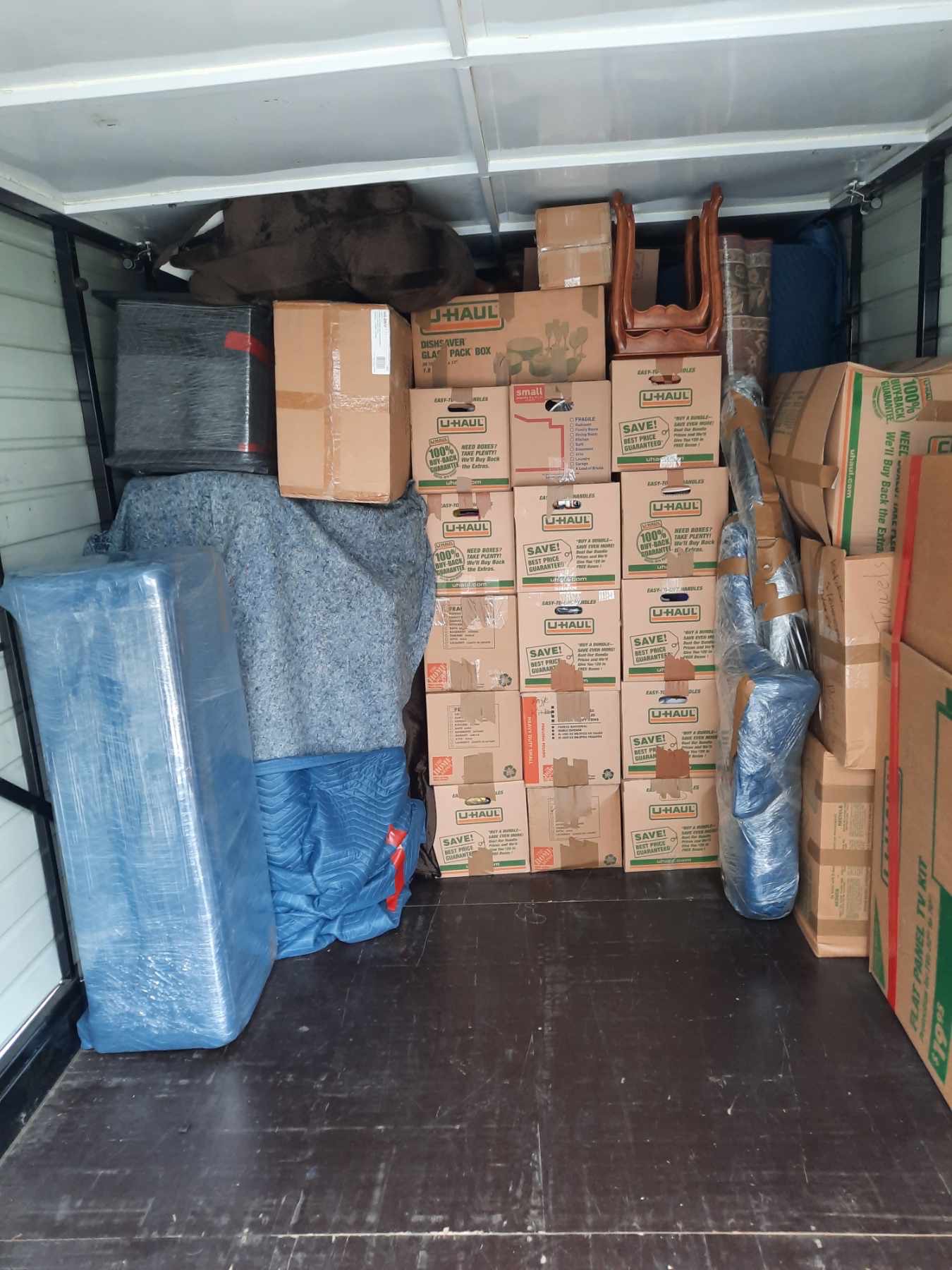
Unloading help is labor for the destination side of a self-service move. Movers unload the truck, POD, or storage unit, carry items into the correct rooms, and place furniture where you want it — including basic reassembly.
Who needs this service
When to book this service
- Your rental truck is due back the next morning
- You have a POD scheduled for pickup
- You want furniture placed and beds reassembled the same day
- You have stairs, an elevator reservation, or a narrow entryway
What you get
Common mistakes to avoid
What to look for in a mover
- Movers with unloading experience in their reviews
- Basic assembly skills listed on the profile
- Willingness to place items by room, not dump-and-run
- A Quality Score reflecting damage-free and on-time completions
Recommended crew size
Two movers for a one-bedroom's worth of items, three for a two-bedroom, four for a full house or when you need everything reassembled the same day.
Equipment used on this job
Why experience matters
An experienced unloader looks at the doorway, the hallway, and the staircase before they touch the truck. They know which items to pull first, which ones to disassemble at the truck rather than in the room, and how to avoid gouging your new walls on move-in day.
The unload is where a move gets decided
By the time the truck pulls up to the new address, most people are exhausted. That is exactly when the wrong decisions get made: everything goes into the garage, nothing gets placed, and you spend the following weekend moving the same furniture a second time.
A good unload crew asks for room labels before they start, sets the large furniture first while there is floor space to work with, and stages boxes against interior walls instead of blocking doorways. Beds get reassembled and made available before the crew leaves so you have somewhere to sleep that night.
Unloading is also faster than loading — usually 30 to 40 percent — because placement takes less planning than stacking. A crew that took four hours to load a three-bedroom will typically unload it in two and a half.
Crew size and hours for unloading only
| Truck / container | Crew size | Typical hours |
|---|---|---|
| 10–12 ft truck or 8 ft container | 2 movers | 1–2 hours |
| 15–17 ft truck or 12 ft container | 2–3 movers | 1.5–2.5 hours |
| 20 ft truck or 16 ft container | 3 movers | 2–3.5 hours |
| 26 ft truck or two containers | 3–4 movers | 3–4.5 hours |
- Stairs and elevator waits add the most time on unloads — budget 30 minutes per flight
- A same-day truck return deadline is worth mentioning when you post the move
- Rental trucks must be swept out before return; ask the crew to do it while the clock is running
Make the unload count
- Tape a room name on every door before the truck arrives
- Walk the crew through the floor plan in the first five minutes
- Decide furniture placement before it is carried in, not after
- Ask for beds and the dining table to be reassembled first
- Keep one room empty as a staging area for anything undecided
- Do a final walkthrough of the truck with a mover before you tap Pay My Movers
Inspecting your shipment as it comes off the truck
The unload is your one clean opportunity to check condition while everything is still in one place and the crew is still on site. Watch as pieces come down the ramp rather than after they are in rooms. Look at the corners of case goods, the legs of tables, the edges of glass and stone, and the backs of appliances.
If something is damaged, photograph it immediately, before it is carried inside, and report it in your dashboard during the completion flow rather than after. Claims are tied to the specific crew member who handled the item, and the labor balance stays authorized until you approve payment, so reporting before release is both easier and faster to resolve.
Getting the new home functional the same day
- Beds assembled and mattresses on frames before the crew leaves
- Dining table and at least two chairs set up so you have a work surface
- Boxes stacked against interior walls, never blocking doorways or the path to the kitchen
- Appliances positioned and leveled, with connections left accessible
- Wardrobe boxes unloaded last and emptied first — hanging clothes take five minutes and free up floor space
- One clearly marked staging room for anything you have not decided on yet
Moving help matched to your needs
For a local move, the same crew may handle both ends. For a long-distance move, post and book help at your destination so qualified local movers are ready to unload.