
House Moves Have More Moving Parts. Get the Right Crew.
A three-bedroom house has 30–50 pieces of furniture, four times the boxes of an apartment, and often two floors plus a garage. It's a different job. Hire movers who know how to plan a full-house move so you're not still loading at sunset.
Here's what usually goes wrong — and how this works instead
- Recommended crew size based on bedroom count and stairs
- Loading and unloading with basic disassembly and reassembly
- Coordinate multi-day moves across storage and destination
- Get a crew with verified home-move history
- Every mover reviewed before appearing on the platform
- Damage and punctuality shown on every profile
- Your crew is paid only after you verify the move is complete
What is residential moving labor?
Residential moving labor covers single-family homes, townhouses, and duplexes. The scope is bigger than an apartment move — more rooms, more furniture, more heavy items, and usually a garage or attic to clear.
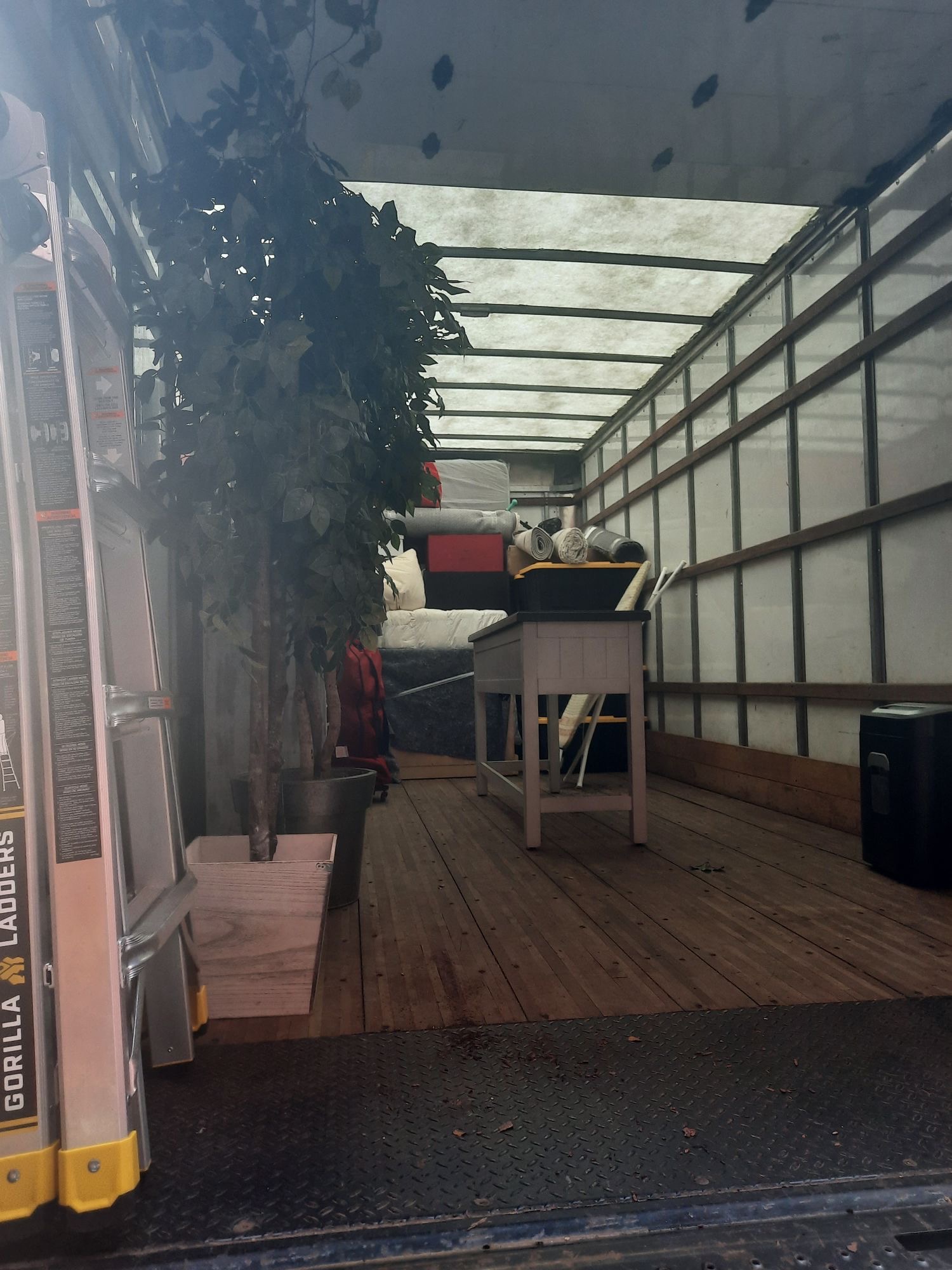
Who needs this service
When to book this service
- You have three or more bedrooms of furniture
- You have a garage, shed, or attic full of items
- You have appliances that need to move (washer, dryer, refrigerator)
- You want the whole move done in one day, not spread across a weekend
What you get
Common mistakes to avoid
What to look for in a mover
- Movers with completed residential moves in their history
- Experience with appliances and heavy furniture
- Willingness to disassemble beds, tables, and playsets
- A Quality Score reflecting on-time and damage-free performance
Recommended crew size
Three-bedroom home: 3–4 movers, 6–8 hours. Four-bedroom home: 4–5 movers, 8–10 hours. If you have a full garage or attic, add another mover.
Equipment used on this job
Why experience matters
Residential moves reward planning. An experienced crew walks the whole house before loading, identifies the biggest items first, and sequences the load so the truck fills tight. That planning saves hours of billed time.
A full-house move is a different job from an apartment move
A three-bedroom house has 30 to 50 pieces of furniture, two or three times the boxes of an apartment, and usually a garage, attic, or shed that the owner has forgotten to count. The crew has to sequence the load so the truck fills tight, keep the driveway clear, and protect floors and doorways through a full day of traffic.
The most common mistake on residential moves is under-crewing to save money. Two movers on a three-bedroom house turns an eight-hour day into a twelve-hour day, and the extra four hours cost more than adding a third or fourth mover would have. A bigger crew shortens the day, keeps energy up, and reduces damage because nobody is rushing at hour ten.
Crew size and hours by home size
| Home size | Crew size | Typical hours | Labor at $45/hr per mover |
|---|---|---|---|
| Studio / small 1-bed | 2 movers | 2–3 hours | $180 – $270 |
| Large 1-bed / small 2-bed | 2–3 movers | 3–4 hours | $270 – $540 |
| 2-bed house | 3 movers | 4–5 hours | $540 – $675 |
| 3-bed house | 3–4 movers | 5–7 hours | $675 – $1,260 |
| 4-bed or larger | 4–5 movers | 7–9 hours | $1,260 – $2,025 |
- Add 30 minutes per flight of stairs at either address
- Add an hour for a full garage, workshop, or shed
- Add time if appliances need to be disconnected and reconnected
- Subtract time when everything is packed, labeled, and staged by the door
What a full-house move costs
A four-bedroom home with a garage, loaded and unloaded locally, with four movers at $45/hr for eight hours: labor is $1,440, fuel reimbursement is roughly $48, and the booking fee is $49. Total labor cost is about $1,537. A full-service company on the same home typically quotes $2,800 to $4,200.
The savings come from separating transport from labor. You rent the truck for $120 to $200, buy fuel, and pay the crew by the hour. The truck is your responsibility; the load quality is theirs.
Preparation that pays off on move day
- Disconnect the washer, dryer, and refrigerator at least 24 hours ahead
- Drain water lines and ice makers so nothing leaks in the truck
- Empty dresser drawers of anything heavy; light clothing can stay
- Stage boxes in the garage or by the front door the night before
- Reserve a parking or loading zone for the truck at both addresses
- Label every box by destination room
Moving help matched to your needs
Post your full-house move and specify the number of bedrooms plus special items such as appliances, playsets, and safes. We use those details to match the right help.