
Storage Units Reward Tight Loading
Every square foot in a 10x10 unit costs money every month. Hire experienced movers who stack tight, keep aisles clear, and load so you can get to the box you need without emptying the whole unit.
Here's what usually goes wrong — and how this works instead
- Hire crews with storage-facility experience
- Reorganize, downsize, or fully clear the unit
- Coordinate move-out timing with your facility's hours
- Rent your own truck or use the crew's connections
- Movers rated on how they handle unlabeled, mixed-condition loads
- Insurance covers items during the transfer
- Funds released only after you inspect the finished unit and verify completion
What is storage unit moving labor?
Storage unit moving labor covers loading a unit for long-term storage, unloading a unit into a truck or home, or reorganizing an existing unit for better access.
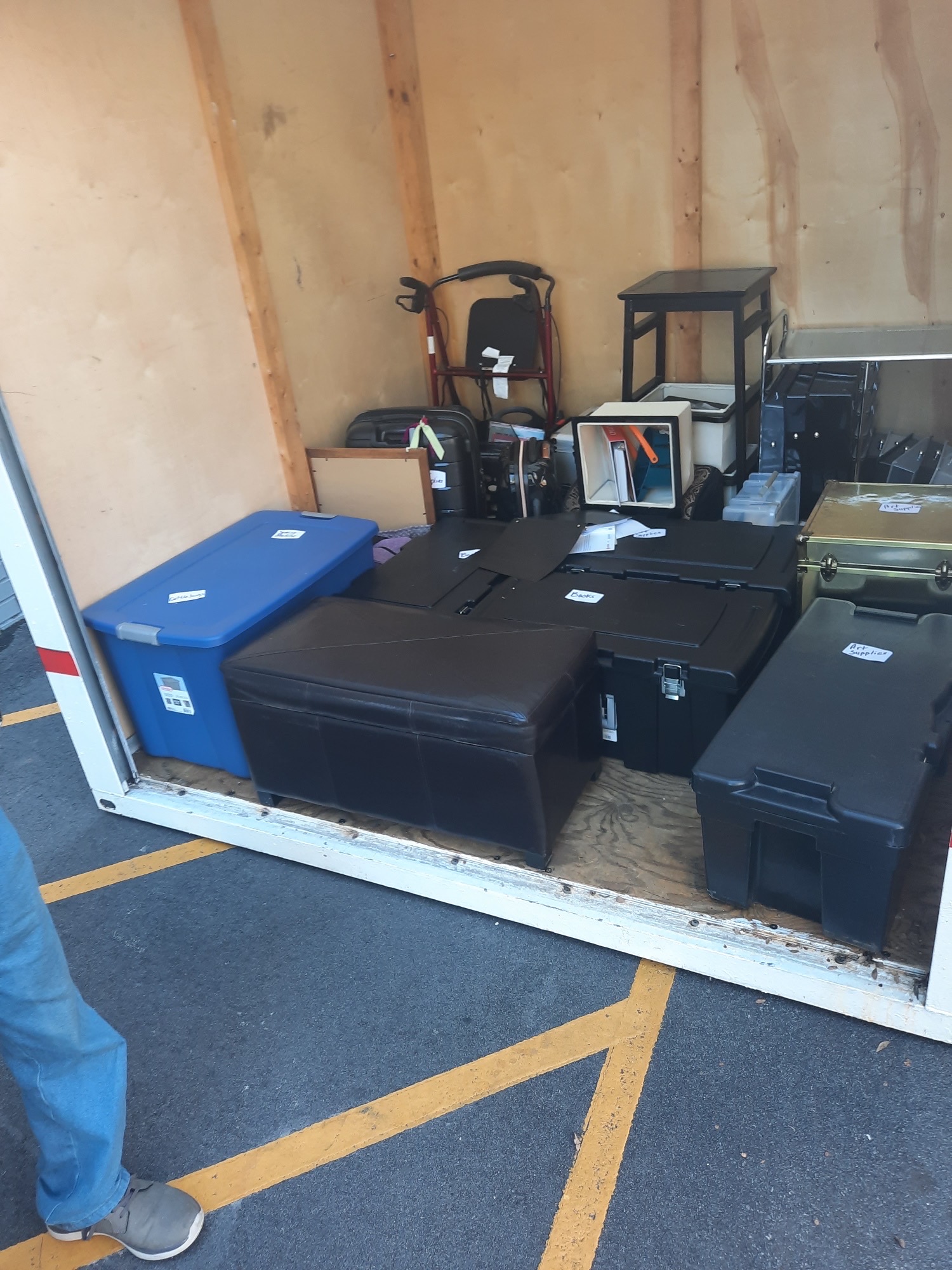
Who needs this service
When to book this service
- You're loading a unit for months or years — tight stacking matters
- You want the unit organized so you can access specific items later
- You're unloading a unit into a truck for a move
- You need to consolidate two smaller units into one
What you get
Common mistakes to avoid
What to look for in a mover
- Movers experienced with storage unit loading, not just truck loading
- Reviews mentioning organized units and easy re-access
- Willingness to leave a clear walkway
- Equipment for stacking heavy items safely
Recommended crew size
Two movers is usually enough for a 10x10 or 10x15. Three for anything larger or when time is tight (facilities often have day-end closing hours).
Equipment used on this job
Why experience matters
Loading a storage unit is a puzzle. Experienced movers build in layers — heavy and flat on the bottom, mid-weight in the middle, boxes and light items on top — with a walkway down the middle. That layout saves you from unloading the whole unit to reach one box six months later.
Storage units reward tight loading more than trucks do
A 10x10 unit rents for roughly the same money whether it is packed like a Tetris game or half full. Hiring movers who load a unit tight can drop you a size category, which saves monthly rent for as long as you store. More importantly, a well-built unit lets you reach the box you need without unloading everything onto the pavement.
The approach is different from truck loading. In a truck you load front to back and tie off for highway motion. In a storage unit you build in layers from the back wall forward, leave a center aisle if you will need access, and raise anything moisture-sensitive off the concrete. The door becomes the last thing loaded with the items you will need first.
Crew size and hours for storage moves
| Unit / job | Crew size | Typical hours |
|---|---|---|
| 5x5 or 5x10 unit | 2 movers | 1.5–2.5 hours |
| 10x10 unit | 2 movers | 2–3.5 hours |
| 10x15 or 10x20 unit | 2–3 movers | 3–5 hours |
| Full home into storage | 3–4 movers | 5–8 hours |
- Drive-up units load 30 to 45 minutes faster than interior corridor units
- Confirm facility gate and office hours before booking
- Bring pallets or scrap wood to raise upholstered items off concrete
- Leave an aisle if you will need access before the unit is emptied
Protecting items in long-term storage
- Use breathable moving pads, not sealed plastic, against wood finishes — plastic traps moisture
- Never store a mattress directly on concrete; use a pallet or stand it on edge
- Keep metal items away from exterior walls where condensation collects
- Label every box facing the aisle with contents and date stored
- Do not stack boxes higher than you can safely reach without a ladder
- Photograph the unit before closing the door for insurance and your own records
An itemized example: loading a 10x10 unit
A two-bedroom apartment going into a 10x10 drive-up unit for six months. You book two movers at the $45/hr Equipped rate for three hours.
Labor is 2 movers x 3 hours x $45 = $270. Fuel reimbursement is 2 movers x $10 = $20. The booking fee is $49. Total is $339. Tight loading avoids upgrading to a 10x15 unit, which at typical rates saves $40 to $80 per month.
| Line | Detail | Amount |
|---|---|---|
| Labor | 2 movers x 3 hrs x $45/hr | $270.00 |
| Fuel reimbursement | 2 movers x $10 | $20.00 |
| Booking fee | Flat, charged once at booking | $49.00 |
| Total | Itemized before you approve | $339.00 |
Moving help matched to your needs
Post the move and specify the unit size and how long items will be stored. We use those details to match qualified storage help.